
Top Tips for Buying Your Next Vehicle in Florida
How to Buy a Car in Florida
Florida car buyers benefit from preapproval before visiting a dealer, as it sets a firm budget and strengthens negotiating position. The Florida Department of Highway Safety and Motor Vehicles recommends understanding dealer versus private-sale rights. Fort Myers Auto Group serves Fort Myers, Cape Coral, Lehigh Acres, Naples, Estero, Bonita Springs, Punta Gorda, and Port Charlotte with a robust selection of Certified Pre-Owned vehicles.
Shop New, Certified & Pre-Owned Vehicles
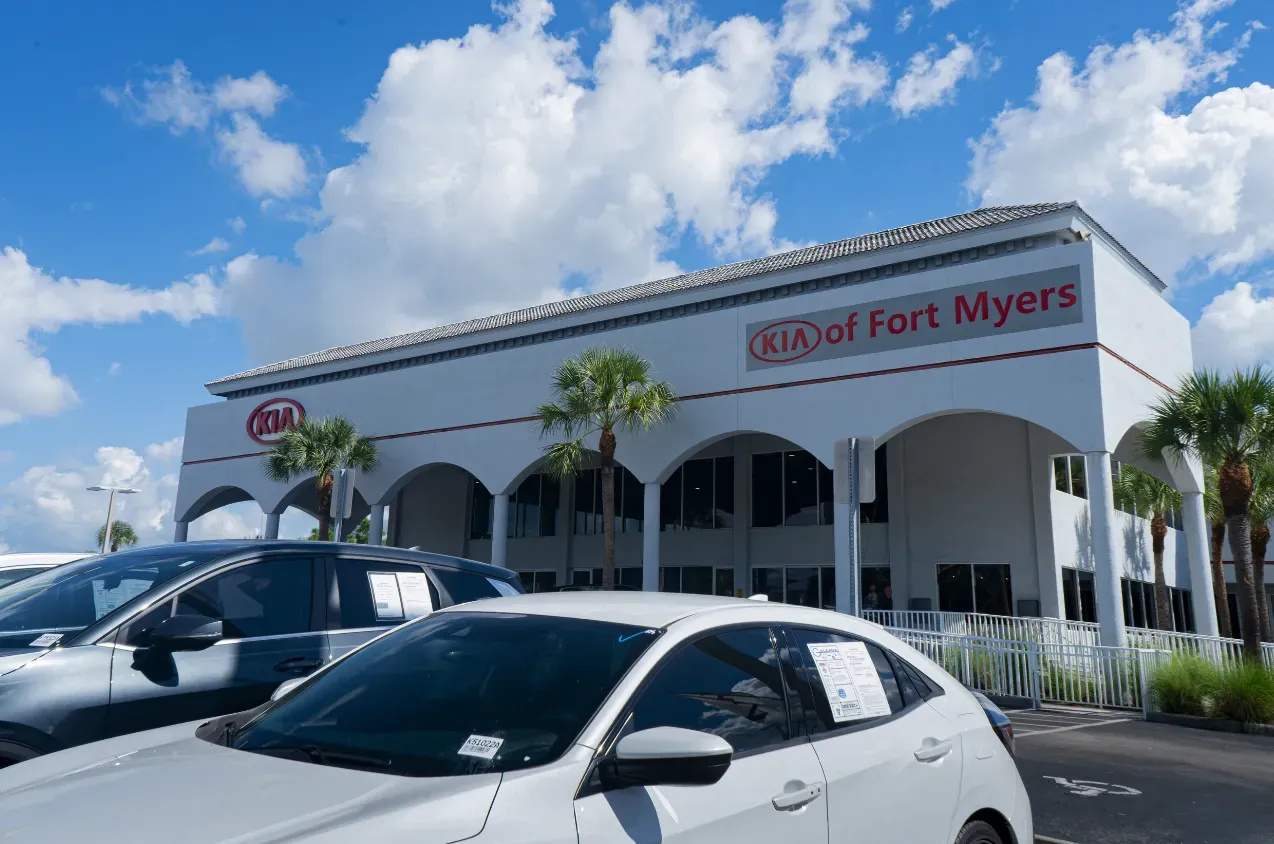
Browse inventory, book service, and apply for financing all in one place at Fort Myers Auto Group — home of CDJR of Fort Myers and Kia of Fort Myers, serving Fort Myers, Cape Coral, North Fort Myers, Lehigh Acres, Estero, and Bonita Springs, FL.
Key Takeaways
- Securing loan preapproval before visiting a dealership sets a firm budget and strengthens negotiating position.
- The Florida Department of Highway Safety and Motor Vehicles recommends understanding dealer versus private-sale rights before purchasing.
- The federal Truth-in-Lending Law requires lenders to disclose the annual percentage rate, making rate comparison straightforward.
- Florida vehicle purchases carry mandatory state fees and taxes that add to the final price, requiring an itemized charge breakdown.
What Are the First Steps to Buy a Car in Florida?
The first steps to buy a car in Florida center on financial preparation and understanding state consumer protections. How to Buy a Car in Florida begins with securing loan preapproval before visiting any dealership. Buyers who skip this step often lose negotiating leverage and risk exceeding their budget. The Florida Department of Highway Safety and Motor Vehicles (FLHSMV) emphasizes that a vehicle purchase ranks among the largest investments consumers make, and the process overwhelms unprepared shoppers.
Why Is Loan Preapproval Critical Before Shopping?
Loan preapproval locks in an interest rate and establishes a firm spending ceiling. A preapproval letter signals serious intent to dealers and prevents the common pitfall of emotional overspending on the lot. Without it, buyers frequently stretch beyond their means and carry higher monthly payments for years. The federal Truth-in-Lending Law requires lenders to disclose the annual percentage rate, making rate comparison straightforward once preapproval is in hand.
What State Resources Help Florida Car Buyers?
FLHSMV provides consumer education covering dealer responsibilities and buyer rights. The agency's guidance helps shoppers understand what to look for, what to ask, and what protections exist under Florida law. Reviewing these materials before stepping onto a dealership lot reduces the risk of costly mistakes. The Florida Attorney General's Office also publishes resources on financing and dealer transactions, reinforcing the importance of comparing interest rates across multiple lenders.
Fort Myers Auto Group is located in Fort Myers, FL, US, Group's service centers provide vehicle care, and Group serves Fort Myers, Cape Coral, Lehigh Acres, Naples, Estero, Bonita Springs, Punta Gorda, and Port Charlotte. ## How Do I Set a Realistic Budget for a Florida Car Purchase?
A realistic Florida car budget starts with loan preapproval and a hard look at total ownership costs. Buyers who skip preapproval often lose negotiating leverage and pay higher interest rates over the life of the loan. The process protects against overspending and signals serious intent to any dealership.
What Does Loan Preapproval Actually Do for a Florida Buyer?
Preapproval locks in a borrowing limit before a buyer ever steps onto a lot. The Tips for Buying a Used Car in South Florida guide emphasizes that walking into a dealership with a preapproval helps a buyer stick to a predetermined budget. It also transforms a casual browser into a committed purchaser in the dealer's eyes. Without it, monthly payment discussions can drift upward quickly.
How Do Interest Rates Affect the Final Price?
Interest rates determine the true cost of financing, not just the sticker price. The federal Truth-in-Lending Law requires every lender to disclose the annual percentage rate (APR), which expresses the yearly cost of credit. The Florida Attorney General's Office advises buyers to compare APRs across multiple sources. Check rates from local banks and credit unions, then compare those figures to the APR offered by the dealer. A difference of even two percentage points adds hundreds of dollars to a five-year loan.
Smart buyers follow a clear sequence to set their budget:
- Obtain loan preapproval from a bank or credit union to establish a firm ceiling.
- Request the APR disclosure from every lender under the Truth-in-Lending Law.
- Compare the dealer's APR against the preapproved rate to identify the cheaper option.
- Factor in Florida-specific costs: higher insurance premiums, annual registration fees, and sales tax.
- Calculate the total financed amount, not just the monthly payment, to avoid long-term overpayment.
Buyers who arrive with preapproval and APR knowledge control the transaction from the first conversation. The budget becomes a tool, not an afterthought.
What Florida-Specific Fees and Taxes Should I Expect?
Florida vehicle purchases carry mandatory state fees and taxes that add to the final price. The Florida Department of Highway Safety and Motor Vehicles (FLHSMV) sets these charges, and buyers who overlook them risk budget shortfalls at closing. Knowing the exact amounts before visiting a dealership prevents last-minute surprises.
What Does the FLHSMV Require From Car Buyers?
The FLHSMV is committed to helping customers know what to look for, what to ask, and what rights they have. This includes full disclosure of title fees, registration costs, and the applicable sales tax rate. Buyers should request an itemized breakdown of every charge before signing any contract.
How Do Dealer Purchases Differ From Private Sales?
How to Buy a Car in Florida involves different rules depending on the seller type. When buying from a licensed dealer, customers must understand the role and responsibilities of that dealer and their own rights as a buyer. Dealers handle most paperwork and collect state fees on the buyer's behalf.
Private sales shift more responsibility to the purchaser. Buyers in a private sale must understand their rights and responsibilities, including verifying the title status and ensuring proper transfer documentation. Missing a step here creates title problems that take weeks to resolve.
The key distinction comes down to paperwork burden. Licensed dealers file the necessary forms and remit taxes directly to the state. Private sellers do not, leaving the buyer to navigate FLHSMV requirements independently. For Southwest Florida residents, Fort Myers Auto Group serves Fort Myers, Cape Coral, Lehigh Acres, Naples, Estero, Bonita Springs, Punta Gorda, and Port Charlotte.
How Do I Choose Between New and Used Cars in Florida?
The choice between new and used vehicles in Florida hinges on budget, warranty expectations, and how a car handles the region's heat, humidity, and coastal conditions. New cars deliver the latest safety technology and full factory coverage. Used and certified pre-owned models offer substantial depreciation savings while still meeting the demands of daily driving across the state.
How to Buy a Car in Florida starts with understanding what each category provides. Near Estero, shoppers find a wide range of new and used vehicles spanning compact cars, family SUVs, midsize crossovers, pickup trucks, and certified pre-owned options. Each class serves distinct needs. Compacts suit city driving and lower running costs. SUVs and crossovers accommodate family trips and beach gear. Trucks handle towing and work duties.
What Are the Financial Tradeoffs Between New and Used?
New vehicles carry higher purchase prices but lower initial maintenance costs. The manufacturer's warranty covers major repairs for several years. Used vehicles cost less upfront. The original owner absorbs the steepest depreciation, which occurs in the first three years. A buyer who finances a used car often secures a smaller loan amount and shorter term. The tradeoff is potential out-of-warranty repair exposure.
What Makes a Certified Pre-Owned Vehicle Different?
Certified pre-owned vehicles are manufacturer-inspected cars with warranty coverage for value-conscious buyers. These models undergo rigorous multi-point inspections and include extended protection beyond the original factory warranty. Fort Myers Auto Group offers a robust selection of Certified Pre-Owned vehicles. This middle path combines the lower price of a used car with the peace of mind of warranty-backed reliability. For Florida drivers concerned about air conditioning performance or transmission wear from stop-and-go traffic, a certified pre-owned purchase reduces that risk substantially.
The decision ultimately weighs monthly budget against long-term ownership costs. A buyer prioritizing the newest driver-assistance features and full warranty protection gravitates toward new inventory. A buyer focused on maximizing value while still securing dependable transportation finds the certified pre-owned segment particularly compelling.
What Vehicle Checks Matter Most for Florida’s Climate?
Florida’s heat, humidity, and sudden downpours punish vehicles in specific ways. A car that performs well in cooler states can deteriorate rapidly here without the right features and maintenance history. Buyers who skip climate-specific checks risk expensive repairs and reduced resale value within the first year of ownership.
How to Buy a Car in Florida starts with evaluating systems that face constant stress from the environment. The air conditioning system demands priority attention. A weak compressor or low refrigerant charge fails quickly under daily 90-degree operation. Tires represent another critical checkpoint. Deep tread depth and rubber rated for wet traction prevent hydroplaning on rain-slicked I-75 stretches during summer storms.
What Drivetrain and Fuel Type Work Best for Florida Driving?
Front-wheel drive and all-wheel drive configurations each serve distinct Florida needs. Front-wheel drive delivers solid fuel economy for daily commutes across Lee County. All-wheel drive adds confidence during tropical downpours when standing water pools on low-lying roads. Fuel type matters equally. Gasoline engines remain the practical choice for most buyers, while hybrid systems cut fuel costs during long, air-conditioned drives through Southwest Florida.
How Does Cargo and Seating Capacity Affect Gulf Coast Life?
Family SUVs and crossovers offer roomy cargo and passenger space for Gulf Coast life. Beach chairs, coolers, and fishing gear demand flexible cargo areas with easy-clean surfaces. Compact and subcompact cars are economical for daily driving and lower ownership costs, suiting commuters who prioritize fuel savings over hauling capacity. Tech features like remote start and ventilated seats transform comfort during Florida’s hottest months. Knowing basics like fuel type, drivetrain, tech features, and seating/cargo capacity helps buyers pick the right vehicle for Florida driving and seasonal needs. A thorough pre-purchase inspection covering these systems prevents costly surprises after the sale.
How Do I Navigate Florida Insurance and Registration Rules?
Florida law requires specific insurance coverage and timely vehicle registration. The Florida Department of Highway Safety and Motor Vehicles (FLHSMV) is committed to helping customers know what to look for, what to ask and what rights they have. Missing these steps delays ownership and risks penalties.
What insurance coverage does Florida mandate?
Florida drivers must carry minimum coverage before any vehicle hits the road. The state enforces this strictly. Proof of insurance is non-negotiable at the time of registration.
- Secure proof of coverage. The insurance company provides a card or digital document. Keep this accessible.
- Present proof at registration. The FLHSMV requires this documentation to complete the title and registration process.
What are the registration steps after purchase?
The path to legal registration depends entirely on where the vehicle was bought. A buyer's rights and responsibilities shift between a dealership transaction and a private sale.
- Licensed dealer purchase: The dealer typically handles the initial registration and title work. Buyers should understand the role and responsibilities of a licensed dealer and their rights as a buyer. The dealership submits the paperwork and collects the applicable fees.
- Private sale purchase: The buyer carries the full burden. Buyers must understand their rights and responsibilities when purchasing a vehicle in a private sale. The new owner visits a local tax collector's office with the signed title, proof of insurance, and a bill of sale.
What happens if registration is delayed?
Late registration triggers financial penalties from the state. The FLHSMV assesses fees that grow over time. A vehicle cannot be legally driven without current registration and plates. Law enforcement issues citations for expired tags. The process protects the buyer's ownership claim and keeps the vehicle street-legal across Southwest Florida.
What Financing Options Work Best for Florida Buyers?
Florida car buyers face three principal paths to fund a vehicle purchase. Each option carries distinct terms, approval requirements, and long-term cost implications. Selecting the wrong structure costs buyers thousands in unnecessary interest over the life of the contract. The right choice depends on credit profile, driving habits, and how long the buyer intends to keep the vehicle.
How do traditional auto loans work for Florida residents?
Traditional loans provide a lump sum from a bank or credit union that the borrower repays over time with interest. These loans often feature fixed or variable interest rates. Buyers who secure preapproval before visiting a dealership gain negotiating leverage and a clear spending ceiling. The Florida Attorney General's Office emphasizes that comparing annual percentage rates from multiple lenders reveals the true cost of credit. Local banks and credit unions frequently offer competitive terms that serve as a benchmark against dealership financing offers.
What makes leasing different from buying in Florida?
Leasing allows a driver to use a vehicle for a set period while making monthly payments. At the lease end, the customer either purchases the vehicle or returns it. This structure suits Florida drivers who prefer lower monthly payments and newer models every few years. Mileage limits and wear-and-tear charges apply, making leases less ideal for high-mileage commuters. Buyers should calculate total lease costs against purchase costs over the same timeframe before committing.
Is dealership financing a good option for Southwest Florida buyers?
In-house financing offered by dealerships like Fort Myers Auto Group simplifies the process considerably. The buyer secures the loan directly through the dealership, often with more flexible terms than traditional lenders provide. This route helps buyers with limited credit history or those seeking a one-stop transaction. CDJR of Fort Myers and Kia of Fort Myers both offer accessible financing programs tailored to Southwest Florida residents. The streamlined trade-in process further reduces friction by applying equity directly to the new purchase. Transparent pricing ensures buyers see the full cost breakdown before signing, eliminating last-minute surprises that erode trust.
What Common Mistakes Should Florida Car Buyers Avoid?
Florida car buyers face pitfalls that turn an exciting purchase into a costly regret. The Florida Attorney General's Office notes that shopping for the best deal at an automobile dealership has historically been a difficult experience for many consumers. A single oversight during the process can saddle a buyer with years of mechanical headaches and financial strain.
How to Buy a Car in Florida without falling into common traps requires preparation and skepticism. The most damaging mistakes stem from emotional decisions and incomplete information. Buyers who skip critical verification steps often inherit someone else's problem vehicle. The consequences include unexpected repair bills, inflated financing costs, and vehicles unsuited to Southwest Florida's climate and driving conditions.
What Happens When Buyers Skip the Pre-Purchase Inspection?
A vehicle that looks clean on the lot may hide serious mechanical defects. Skipping an independent inspection means the buyer absorbs every undisclosed problem the previous owner left behind. The result is a purchase driven by excitement rather than evidence. A trusted mechanic can identify flood damage, worn components, and accident repairs that escape a casual walk-around.
How Do Financing Decisions Lead to Overpayment?
Car sales agents may earn additional compensation when they convince customers to finance through the dealership. This incentive structure influences which loan products get recommended. Buyers who accept the first financing offer without comparing rates from banks or credit unions routinely pay more than necessary. The Florida Attorney General's Office advises consumers to find the best interest rate before visiting a showroom. A preapproved loan from an outside lender establishes a clear budget and removes the dealer's ability to mark up the rate.
The emotional rush of a test drive clouds judgment. Buyers who skip vehicle history reports and independent inspections trade long-term reliability for short-term satisfaction. A disciplined approach protects against these outcomes. Verifying the numbers, inspecting the vehicle, and securing independent financing transforms a historically difficult experience into a straightforward transaction.
FAQ
What are the first steps to buy a car in Florida?
Securing loan preapproval before visiting a dealership sets a firm budget and strengthens negotiating position. Reviewing FLHSMV consumer education materials reduces the risk of costly mistakes.
Why is loan preapproval critical before shopping?
Loan preapproval locks in an interest rate, establishes a firm spending ceiling, and signals serious intent to dealers. It prevents emotional overspending on the lot.
What state resources help Florida car buyers?
The Florida Department of Highway Safety and Motor Vehicles provides consumer education on dealer responsibilities and buyer rights. The Florida Attorney General’s Office publishes resources on financing and dealer transactions.
Conclusion
A disciplined approach transforms a historically difficult experience into a straightforward transaction. Verifying the numbers, inspecting the vehicle, and securing independent financing protects against costly mistakes.
Buyers who follow these steps drive away with confidence, knowing their purchase suits Southwest Florida’s conditions and their long-term budget.
Our Fort Myers Showrooms
Fort Myers, FL 33912
Fort Myers, FL 33912